

Is my pet in pain?
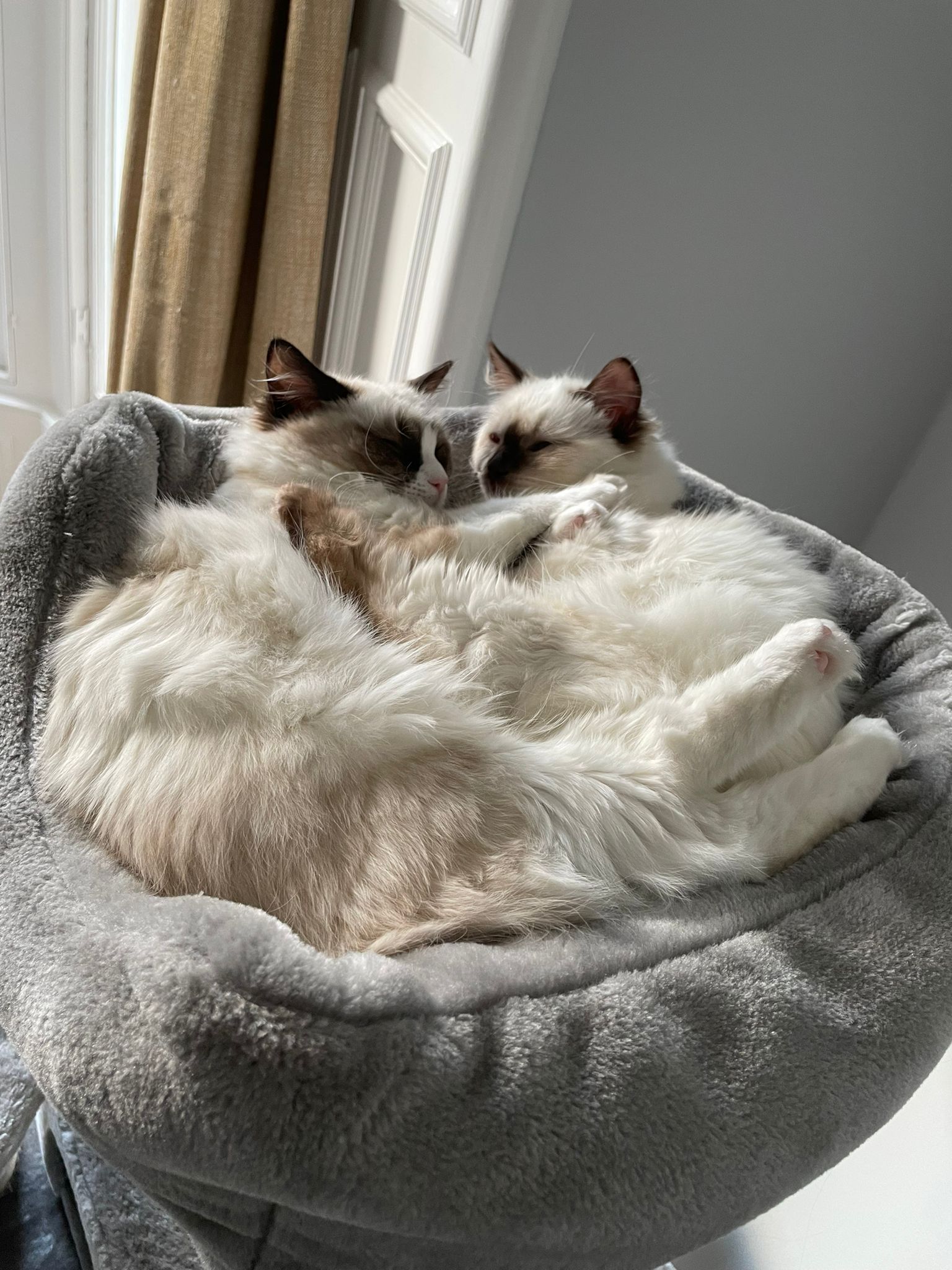
Pain can have a serious impact on an animal’s quality of life, affecting day-to-day activities such as eating, exercising, and socialising. This article aims to help you recognise signs that your pet might be in pain, to enable you to know if they need to see a vet.
Let’s focus on this important issue and look at pain in more detail, including some of the most common symptoms.
What is pain?
Pain is an unpleasant sensation that can affect people and animals physically and emotionally. Pain is a very individual experience, with different animals responding differently to the same pain, just like we see in people. Some types of pain serve a purpose and help animals survive a situation, such as a sudden injury or a threatening situation. But ongoing, chronic pain can have a negative impact on your pet’s life, whether they’re a dog, cat, rat or rabbit.
Types of pain
Pain can be divided into three types, based on the part of the body affected. These are:
Visceral pain = Pain affecting the internal organs
Somatic pain = Pain from limbs, muscle, bone and skin
Neuropathic pain = pain originating in nerves or the spinal cord
Some injuries or diseases can cause more than one type of pain at the same time.
Pain can then be further classified as either acute or chronic.
Acute = Sudden onset pain usually because of physical trauma like a fall or infection. This type of pain warns the animal that they have been injured, encouraging behaviour to protect them from further damage. Acute pain is temporary and will usually go away with time and/or medication.
Chronic = Describes pain lasting for 3 months or more. It is much more variable than acute pain, and it may even continue after healing has occurred. Conditions like osteoarthritis and cancer can cause chronic pain.
Signs of pain
Animals are not always very good at letting us know when they are in pain – they cannot tell us how they are feeling. So, we need to look for clues instead. The exact signs will vary between species and personality types, but could include the following:
· Reduced activity – resting more, less willing to play, or not as keen to go on walks
· Changes in interaction – hiding away more than usual, being quieter than normal, and not engaging with their owners as much. Alternatively, your pet may be more clingy or needy than usual.
· Increased vocalisation – whining, whimpering, or howling, especially if a painful area is touched
· Changes in sleep pattern – sleeping more or less than normal
· Reduction in appetite – difficulty eating or reduced interest in food
· Changes in personality – becoming more submissive, or alternatively more aggressive and irritable than usual
· Licking or chewing at a particular area of the body
· Changes in mobility – stiffness, difficulty jumping, or lameness
· Hunched body posture
· Changes in facial expression – tight facial features and ears flattened down
· Reacting negatively to being picked up or handled
· Difficulty getting comfortable – pacing or restlessness
· Obvious physical injury – you may notice evidence of a traumatic injury
Some animals will show several of these symptoms, whereas others may just show one or two. Any changes in your pet’s behaviour or routine should be taken seriously.
What should you do if you think your pet is in pain?
Watch your pet closely – Watch your pet to see if there is a pattern to their behaviour. You may also start to spot other symptoms when observing your pet closely.
Contact us – If you suspect there is something wrong with your pet, then get in touch as soon as you can. Our vets will start by examining your pet and discussing their symptoms. Depending on their findings, they might need to suggest diagnostic tests such as blood samples or diagnostic imaging like X-rays and ultrasound scans. We can then suggest appropriate treatment options to help manage your pet’s condition.
Never self-medicate – Never give your pet human medication. Some drugs could be fatally toxic. Plus, self-diagnosing and medicating only delays your pet from receiving appropriate care. The sooner a problem is identified and treated, the better the outcome is likely to be
Ways to manage pain
The exact treatment of your pet’s pain will depend on the underlying cause. Managing their comfort will usually involve:
· Veterinary treatment – this may include prescribed medications such as non-steroidal anti-inflammatory drugs (NSAIDs), opioids, anticonvulsive neuromodulators, and monoclonal antibodies. The exact type of pain relief will depend on the type of pain and severity. In some conditions, more than one type of pain relief is required. Sometimes surgical intervention is needed to treat painful conditions, or antibiotics if infection is suspected as an underlying cause.
· Environmental adjustments – Making a few adjustments to your pet’s home can help if they are in pain. Providing them with a comfortable, supportive bed, ensuring food and water bowls are easily accessible and covering slippery floors with a rug can help many painful pets.
· A change in exercise regime – A pet suffering from a painful condition may need to have a change in exercise routine. A dog with arthritis, for example, needs regular moderate amounts of exercise (rather than one big, long walk at the weekend!). A cat recovering from major surgery may require strict cage rest.
· Weight management – Obesity can make some conditions, like osteoarthritis, worse. Keeping your pet at a healthy weight will reduce inflammation. · Complementary therapies – Complementary therapies can be helpful in pain management, but they are often best used under veterinary supervision and alongside pharmacological and even surgical treatments. Hydrotherapy and physiotherapy can be useful to build and maintain muscle mass, which can help support painful, arthritic joints. Acupuncture, laser therapy, and magnetic field therapy may also be helpful in some cases.
Summary
Pets feel pain, even though they can’t tell us about it. However, there are usually clues that indicate a problem. We are passionate about the quality of life of all our patients and will work with you to ensure your pet is kept as happy as possible.
If you think your pet is in pain, then call us on 0131 287 2662 and we will get them booked in for a check-up. The sooner we see your pet, the sooner they will be feeling more like their old selves again.