

January is Walk Your Dog Month: Small steps, big benefits for you and your dog
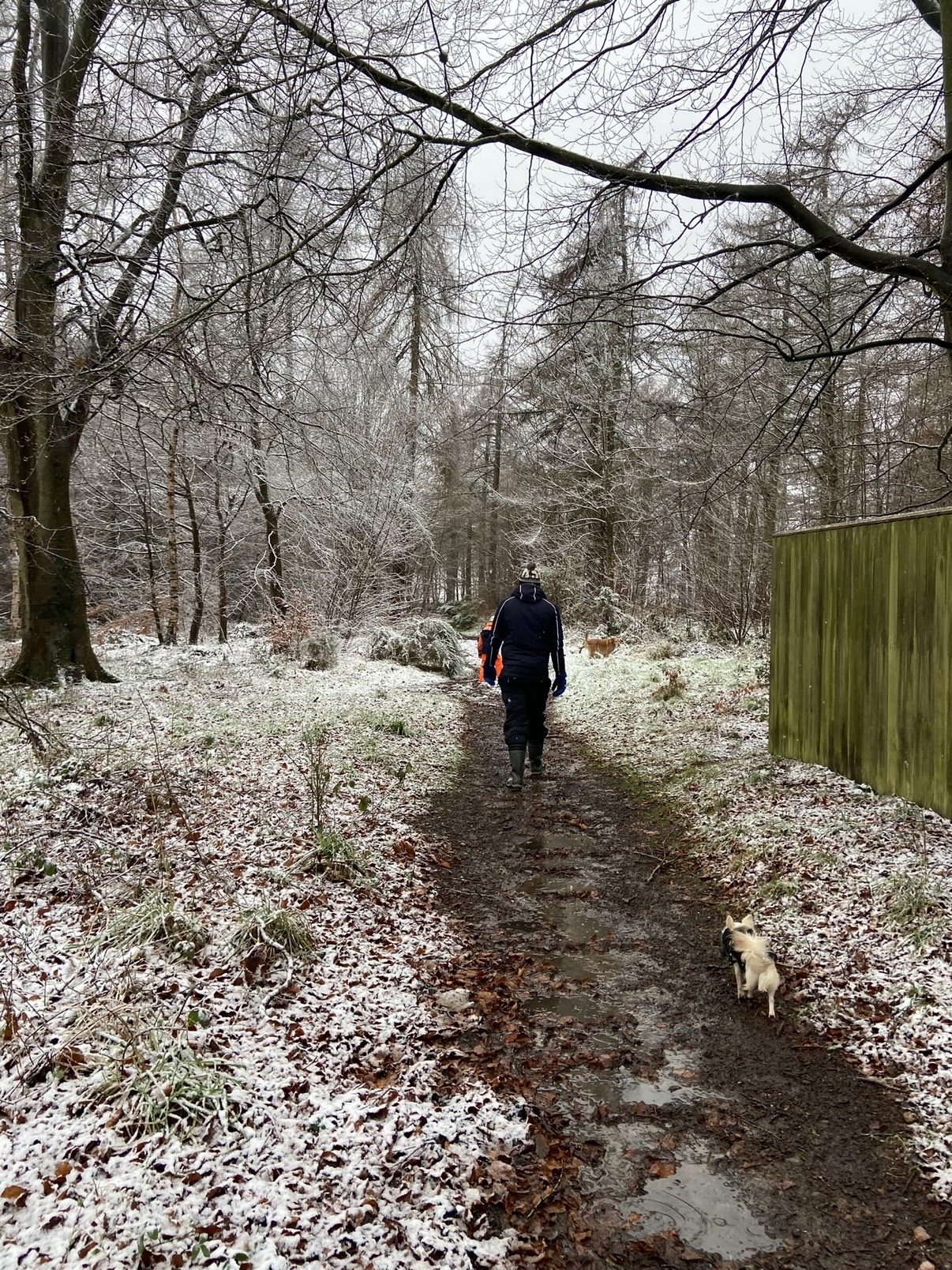
January can feel like a slow start after the holidays with darker mornings, colder evenings, and routines that need a bit of rebuilding. That’s exactly why you should make the most of Walk Your Dog Month, a timely reminder that regular walks are one of the simplest (and most powerful) ways to support your dog’s physical health, emotional wellbeing, and behaviour.
Here’s how to make walking easier, safer, and more enjoyable in the “dark months” and throughout the year.
Why walking matters more than just exercise
Most dogs love walks, but the benefits go far beyond burning energy.
1) Healthy weight and joint support
Regular walking helps maintain a healthy body condition, which reduces strain on joints and can lower the risk of health problems such as arthritis, diabetes, and heart disease. For overweight dogs, consistent low-impact movement is one of the safest ways to start improving fitness. For senior dogs, gentle walks can help keep muscles working and joints moving.
2) Mental enrichment
A walk is a sensory adventure for dogs. Sniffing, exploring, and changing environments provide essential mental stimulation. Many behaviour issues, such as restlessness, barking and chewing, can improve when dogs get enough physical activity and enrichment. Consider the walk your dog’s daily “brain puzzle.”
3) Stronger bond and better training
Walking together builds trust and communication. It’s also a daily opportunity to practise skills like loose-lead walking, recall, and polite greetings. A few minutes of calm training during a walk often beats a single long session at home.
4) Benefits for humans too
Pet owners often report feeling less stressed and getting a mood boost from regular walks. In January especially, daylight exposure and gentle movement can help lift energy and motivation.
Dog walk safety tips for the dark months (and beyond)
January walks can be wonderful, but darker days and winter conditions call for a few extra precautions.
Be seen: visibility is everything
- Reflective gear: A reflective collar, lead, harness, or coat makes a big difference.
- LED lights: Clip-on lights for collars or harnesses help you track your dog and help drivers/cyclists see you.
- Light yourself too: A reflective vest for you matters just as much.
Mind the ground: ice, grit, and sore paws
Winter pavements can be harsh. If your dog suddenly licks paws, limps, or refuses to walk, check for:
- Ice balls between toes (especially in long-haired dogs).
- Cracked pads from cold/dry conditions.
- Grit/salt irritation after roads have been treated.
After your walk, gently wipe paws with a damp cloth and dry them. If your dog is sensitive, ask us about paw balms or protective boot options.
Leash choices and road awareness
In darker months, it’s easier to miss hazards.
- Keep your dog on a lead near roads, even if recall is usually good.
- Consider a shorter lead in busy or low-visibility areas.
- Avoid long retractable leads near traffic.
Choose safe times and places
If possible, aim for walks in daylight hours, especially for dogs that get spooked easily. In the evening, pick routes with street lighting and wider paths, and avoid slippery woodland trails after rain.
Cold-weather comfort: not all dogs are the same
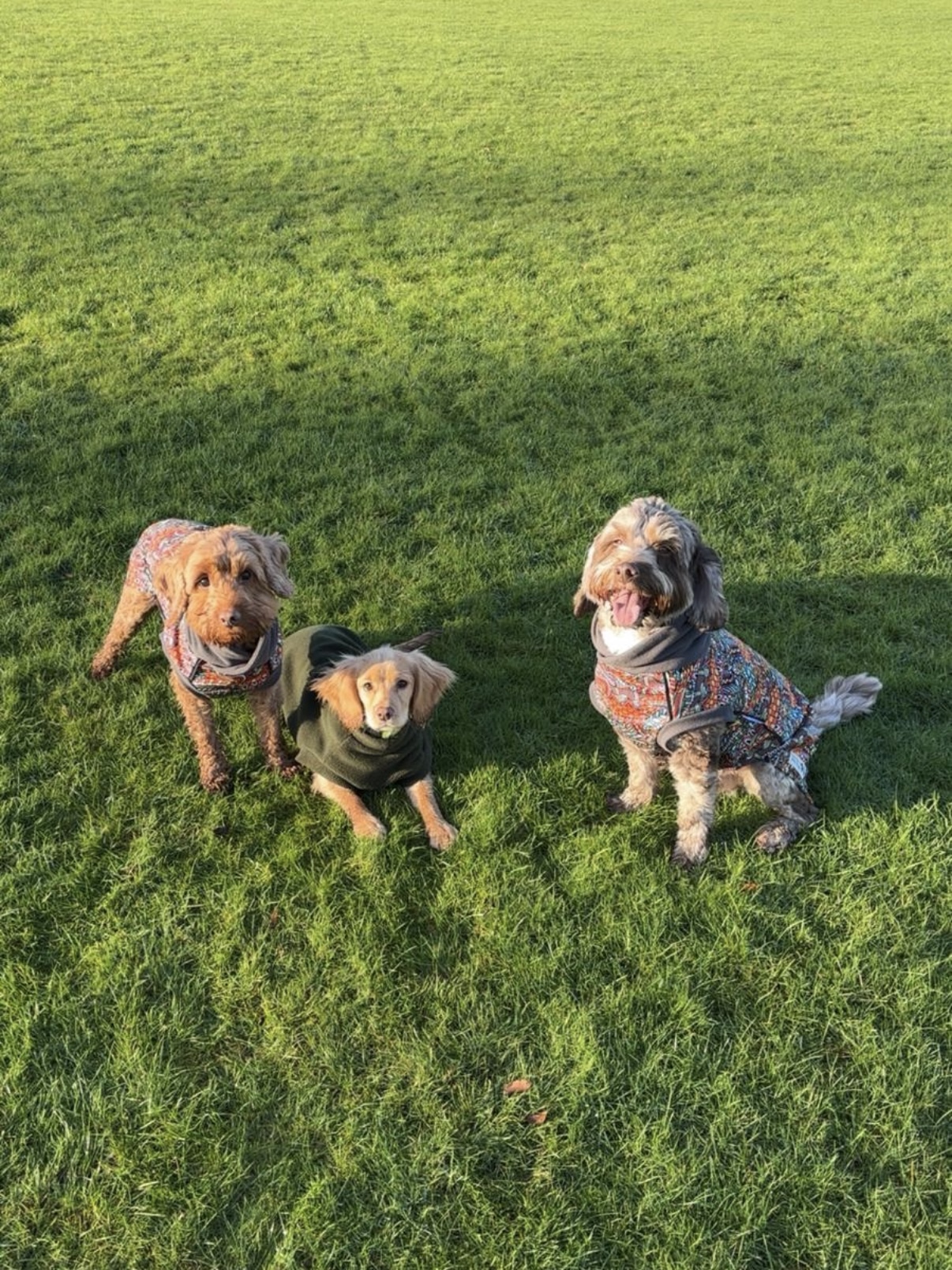
Smaller dogs, short-haired breeds, and seniors often benefit from a warm coat. Watch for shivering, reluctance to move, or trying to turn back early; these can be signs your dog is too cold or uncomfortable. On the flip side, dogs can still overheat during energetic play, even in winter, so always bring water for longer walks.
All-year-round essentials
No matter the season:
- Check ID tags and microchip details are up to date (especially if you’re trying new places).
- Carry poo bags and dispose of them responsibly.
- Pack high-value treats for training and emergencies.
- If your dog is anxious or reactive, consider quieter routes and speak to us about behaviour support.
Ideas for new walks (without needing a big adventure)
If your usual route feels repetitive, a small change can make a big difference to your dog.
Try a “sniffari”
Instead of focusing on distance, let your dog lead (safely) and sniff more. Sniffing is calming and mentally enriching. A shorter sniff-filled walk can be more satisfying than a long, rushed one.
Explore a new surface
Dogs experience the world through their paws and noses. Try a woodland path, field edge, or park trail. New textures and smells equal enrichment.
Switch directions
Walk your normal route in reverse. It sounds silly, but it’s “new” to your dog in a meaningful way.
Create a rotation
Build a list of 4–6 local routes and rotate them. That keeps things interesting without needing constant planning.
Make it social (if your dog enjoys it)
Some dogs love walking with a calm canine friend. Keep introductions controlled, and avoid crowded areas if either dog gets overstimulated.
When to check in with us
If your dog shows lameness, persistent stiffness after walks, coughing, unusual panting, reluctance to exercise, or seems painful when rising or climbing stairs, it’s worth checking in with us. January is a great time to reset routines, but we want to make sure your dog is comfortable and safe doing so.
Summary
Walk Your Dog Month is really about building a habit your dog can enjoy all year long. Whether it’s a brisk morning stroll, a slow sniffy wander, or a weekend trail with the family, every walk is an investment in your dog’s health and happiness.
If you’d like tailored advice about weight management or arthritis-friendly exercise plans, our team is always here to help.